Father’s Day 3D SVG Card Review
As a graphic designer who has spent the better part of a decade refining brand identities and preparing print-ready files for small business clients, I approach every new graphic design asset with a critical eye. It is not enough for a file to look pretty on a marketplace preview; it must hold up under the scrutiny of real-world production. Recently, I evaluated the Father s Day DAD Folding Card SVG 2032 for a client launching a seasonal handmade gift line. This review breaks down how this specific 3D SVG performs in professional workflows, from initial concept to final commercial application.
First Impressions: Structural Complexity and Visual Mood
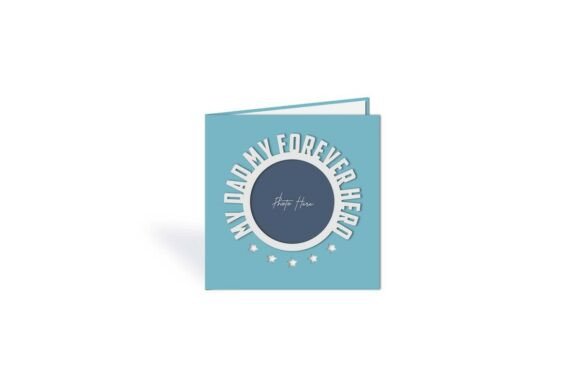
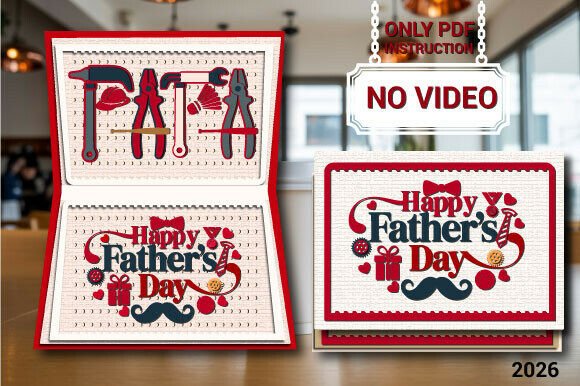
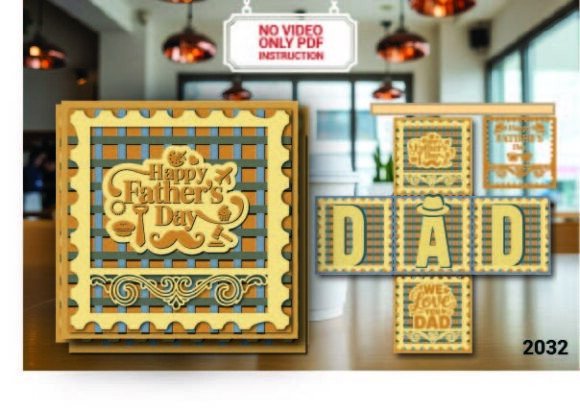
When I first opened the file, the immediate standout feature was the layer count. This is an extraordinary Happy Father’s Day folding card structure, comprised of thirty-three distinct layers. For a designer, this level of detail signals versatility. It is not merely a flat illustration; it is a engineered papercraft system. The visual mood is warm, nostalgic, and deeply personal, fitting perfectly within the Father S Day thematic category without relying on clichéd or overly masculine stereotypes.
The design lends itself naturally to projects that require emotional resonance. Whether you are building a brand identity for a boutique greeting card shop or creating marketing visuals for a local craft fair, the intricate layering suggests quality and effort. It feels substantial. In an era of digital saturation, assets that evoke tactile experiences are invaluable. This SVG design bridges the gap between digital precision and handmade charm, making it a strong candidate for DIY papercraft gift ideas and high-end shadow box light box projects.
Application in Real Client Projects
The true test of any digital product is its adaptability. I tested the Father s Day DAD Folding Card SVG 2032 across several mock scenarios to determine its viability for different client needs.
Etsy Shops and Print-on-Demand
For sellers on platforms like Etsy, this asset is a powerhouse. The thirty-three-layer structure allows for the creation of complex product mockups that stand out in search results. When used in print-on-demand contexts, such as layered paper art prints, the depth created by the shadows between layers adds a premium feel. It transforms a standard greeting into a keepsake. If you are managing a handmade business, this file can serve as the cornerstone of a seasonal collection, offering customers a project that feels exclusive and professionally designed.
Social Media and Content Creation
In terms of social media graphics, the vertical nature of the folding card works exceptionally well for Pinterest pins and Instagram stories. The layers provide natural opportunities for animation. By slightly offsetting the layers in video editing software, you can create a parallax effect that draws the eye. This makes it an excellent tool for content creators looking to boost engagement during the Father S Day marketing window. It serves as more than just a static image; it becomes a dynamic piece of editorial design for blog headers or email newsletters.
Cricut and Silhouette Projects
For crafters using cutting machines, the file’s organization is crucial. A thirty-three-layer Cricut project requires precise registration marks and clear layer separation. In my testing, the vector paths were clean, minimizing the need for extensive node editing. This saves hours of prep time, allowing designers to focus on material selection—such as choosing textured cardstocks that enhance the sublimation design or printed elements within the layers.
Strategic Placement and Visual Hierarchy
Understanding where to place this asset is key to maintaining visual hierarchy. Because the design is dense and detailed, it works best as a hero graphic. Use it in large layout areas where the viewer has time to appreciate the intricacy. It shines in packaging design for gift boxes, where the folded card can be displayed as part of the unboxing experience. It also works well as a decorative accent on invitation suites, provided it does not compete with essential text.
However, caution is required. This asset should be used carefully in small sizes. At thumbnail dimensions, the thirty-three layers may merge into a visual blob, losing their definition. Avoid placing it on crowded layouts or complex backgrounds. Low-contrast designs will obscure the delicate cut lines. Furthermore, this style may clash with minimalist branding or professional corporate materials that require strict, clean visual lines. It is a decorative, emotional piece, not a functional icon.
Technical Performance and Designer Notes
Before integrating any commercial design asset into a client deliverable, rigorous testing is non-negotiable. Here are my practical notes for working with the Father s Day DAD Folding Card SVG 2032:
- Contrast Testing: Always test the design in black and white first. This reveals if the layers distinguish themselves clearly without relying on color. Ensure high contrast on both light and dark backgrounds.
- Scale Preview: Preview the asset at 10% and 100% size. Confirm that the details remain legible and that the cut lines do not become too thin for physical production.
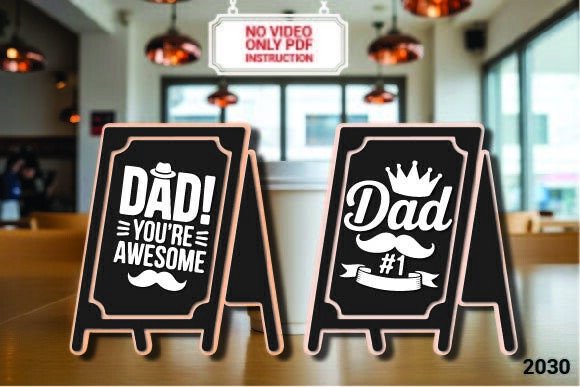
- Mockup Integration: Place the SVG on real-world mockups. See how the shadows fall in a rendered environment. This helps in selling the concept to clients who may not understand vector files.
- File Inspection: Open the SVG in your preferred vector editor. Check for open paths or redundant nodes. While the file is robust, cleaning up unnecessary points can improve cutting performance.
- Typography Pairing: When adding text, compare the asset against various font styles. It pairs well with sturdy serif fonts or clean sans serif fonts that do not compete with the ornate layers. Avoid overly decorative script fonts that might clutter the composition.
- Licensing Verification: Always confirm the commercial license terms. Ensure that the usage rights cover your specific client needs, whether for physical goods or digital templates.
Enhancing Brand Consistency and Trust
Using high-quality assets like this contributes to small business branding by signaling professionalism. When a customer sees a well-constructed, multi-layered design, it builds visual trust. It suggests that the brand cares about details. This emotional appeal drives audience engagement and can justify higher price points for handmade items. In web design, such assets can break up text-heavy pages, adding visual interest without sacrificing load times if optimized correctly.
The Father s Day DAD Folding Card SVG 2032 is more than a simple clipart; it is a comprehensive design bundle component that supports a narrative. It helps tell the story of celebration and appreciation. For designers, it offers a shortcut to complexity, allowing us to deliver sophisticated results efficiently. Whether you are creating a t-shirt design with a printed graphic of the card, or a sticker design for sealing envelopes, the versatility of this file is evident.
Final Verdict for Professional Use
In conclusion, the Father s Day DAD Folding Card SVG 2032 is a valuable addition to any designer’s library of design assets. It excels in projects that prioritize emotion, craftsmanship, and visual depth. It is ideal for creative marketplace sellers, boutique owners, and marketers looking to create impactful Father S Day campaigns. While it requires careful handling regarding scale and context, its potential for creating stunning printable design products and engaging Canva template layouts is significant. For those willing to invest the time in proper layering and material selection, this 3D SVG delivers a polished, professional result that resonates with audiences.