Reviewing the Love You Hearts Gatefold Card for Embroidery
As a designer who spends half my life staring at digitized files and the other half watching needles punch through fabric, I have learned to be skeptical of designs that look perfect on a screen but fail in the hoop. When I first pulled up the Love You Hearts Gatefold Card, my initial reaction was one of cautious optimism. The visual presentation suggests a layered, dimensional aesthetic that is incredibly popular right now, especially as we approach Valentine S Day. However, translating a concept originally described as a gatefold card or a 3D SVG into a functional machine embroidery design requires a critical eye. We need to determine if this asset holds up under the tension of the needle or if it is merely a pretty picture.
First Impressions and Visual Personality
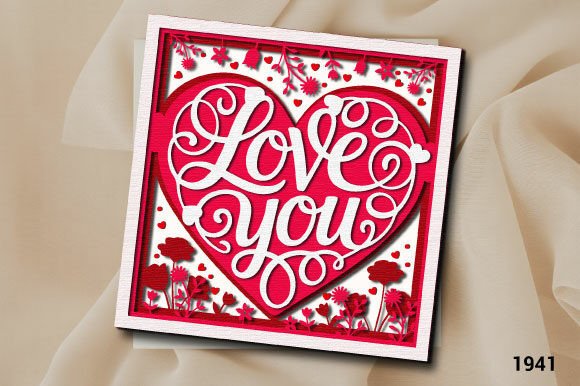
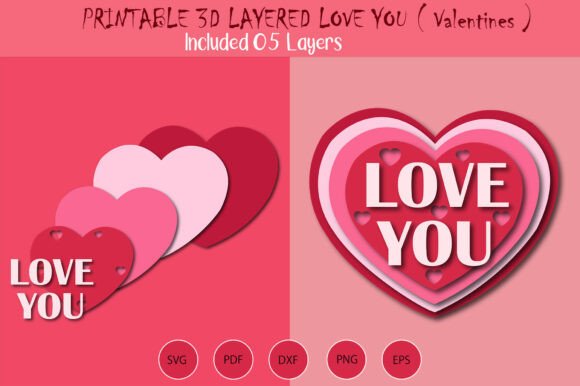
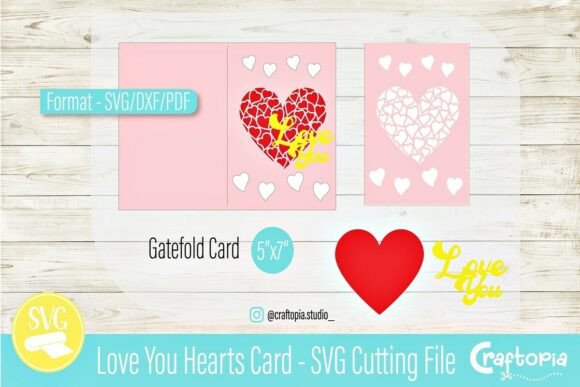
The core appeal of the Love You Hearts Gatefold Card lies in its cheerful “Love You” script and the surrounding heart motifs. In a digital preview, the layering creates a sense of depth that mimics paper crafting. For an embroiderer, this translates to a challenge: how do we replicate that pop without creating a dense, stiff puckering mess? The mood is undeniably sweet and personal, making it a strong candidate for items that rely on emotional connection. It does not scream for attention with aggressive complexity; instead, it invites a closer look. This subtle confidence is exactly what modern buyers are looking for in a handmade product. It feels curated rather than mass-produced, which is vital for maintaining brand consistency for any Etsy seller or boutique owner.
Real-World Application: The Tote Bag Test
To truly evaluate this design, I imagined applying it to a canvas tote bag, a staple for any craft business. Canvas provides a stable base, which is crucial when dealing with the layered elements implied by the gatefold style. If you were to stitch this onto a lightweight cotton, the stitch density would need to be carefully managed. In my mental simulation, the hearts serve as a frame for the central script. On a tote, this layout works beautifully because it utilizes the flat surface area effectively. The “Love You” text becomes the focal point, while the hearts add decorative balance without overwhelming the utility of the bag.
However, if you are considering this for custom apparel, such as a sweatshirt or a baby onesie, the context changes. Sweatshirts have a plush texture that can swallow fine details. The cheerful script needs to be large enough to remain legible against the fleece. For baby embroidery, softness is paramount. A design with too many overlapping layers or heavy fill stitch areas can feel scratchy against sensitive skin. In this case, I would recommend using the heart motifs as separate, smaller accents rather than stitching the entire composite design in one go. This allows for better control over the thread colors and ensures the finished item remains comfortable.
Navigating Fabric and Hoop Constraints
One of the most critical aspects of using a design like the Love You Hearts Gatefold Card is understanding its limitations on difficult surfaces. Curved items, such as caps or hats, present a significant challenge. The layered heart motif, if digitized with high density, may pucker on the curved panel of a baseball cap. If you are an experienced decorator, you know that stabilizer choice is non-negotiable here. A cut-away stabilizer might be necessary to support the weight of the stitches, especially if the design incorporates any satin stitch borders around the hearts.
Furthermore, consider the hoop size. While the description mentions it is designed for cutting machines, embroidery hoops have physical limits. If the design is intended to be large to showcase the "gatefold" effect, you must ensure your machine can accommodate the dimensions. Stitching a large, complex design on a small hoop often leads to distortion. Always check the specific dimensions of the embroidery file before committing to a project. If the design includes tiny lettering or intricate corners, these areas are prone to thread breaks or poor coverage on textured fabrics like linen or terry cloth. Testing on scrap fabric of the same type is not just a suggestion; it is a requirement for professional results.
Commercial Viability and Customer Trust
For those running a small shop product line, the perceived value of the finished product is everything. A design that looks crisp and well-executed builds customer trust. The Love You Hearts Gatefold Card has the potential to elevate a simple item into a premium personalized gift. Whether it is an embroidered patch for a jacket or a detail on a kitchen towel, the clarity of the stitching defines the quality. If the hearts appear jagged or the script is uneven, it reflects poorly on the maker. Therefore, reviewing the digital embroidery file for clean pathing is essential. Look for efficient jump stitches and logical color stops. These technical details might seem minor, but they save time during production and reduce waste, directly impacting your profit margins.
When creating printable mockup images for your online store, this design offers great versatility. The heart theme is evergreen, not strictly limited to February. It can be marketed for anniversaries, Mother’s Day, or general expressions of affection. This flexibility increases the lifespan of the design assets in your portfolio. However, always be transparent about the nature of the product. If you are selling the digital file, clarify if it is an applique design or a full-stitch design. If you are selling the physical item, highlight the craftsmanship involved in managing the layered look.
Practical Designer Notes for Execution
Before you load the Love You Hearts Gatefold Card into your machine, take a moment to review the technical specifications. Since the original description references cutting machines, ensure you have the correct embroidery format for your specific machine. Do not assume compatibility. Check the recommended thread colors against your inventory. High-contrast combinations, such as red hearts on white fabric, will highlight any imperfections in the stitching, so precision is key. Conversely, tonal variations can hide minor issues but may reduce the visual impact of the layered effect.
- Test on Scrap: Always run a test stitch-out on the actual fabric you plan to use. This reveals issues with tension and density.
- Check Stabilizer: Match the stabilizer to the fabric weight. Heavy designs need strong support to prevent puckering.
- Inspect Details: Zoom in on the script. Ensure the letters are not too thin to stitch cleanly.
- Verify Licensing: Confirm whether the license allows for commercial use if you plan to sell items made with this design.
- Consider Fabric Texture: Avoid using this design on highly stretchy fabrics unless you have experience with stabilizing knits.
In conclusion, the Love You Hearts Gatefold Card is a charming addition to any designer’s library, provided it is approached with technical diligence. It offers a blend of whimsy and structure that, when executed correctly, can enhance a wide range of products from tote bag design concepts to holiday embroidery projects. By respecting the constraints of the medium and prioritizing quality in every stitch, you can transform this digital asset into a tangible expression of care that resonates with customers. Remember, the best designs are those that not only look good on screen but stand up to the rigors of real-world use and washing. Treat this file with the respect it deserves, and it will serve your commercial embroidery efforts well.