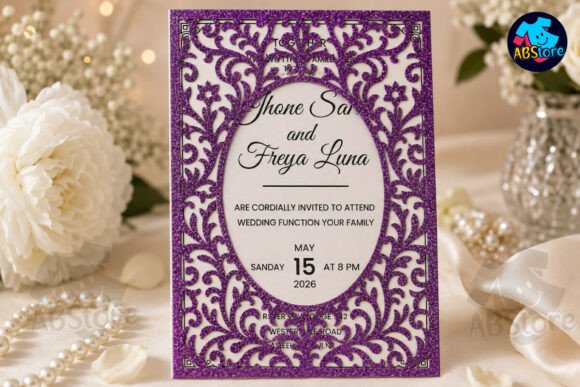
Reviewing the Wedding Invitation SVG for Real Stitch-Outs
As a designer who spends more time staring at digitized paths than I do sleeping, I approach every new Wedding Invitation SVG with a healthy dose of skepticism. We have all been there: you download a file that looks crisp on the screen, only to watch it turn into a bird’s nest of thread breaks and puckering on your hoop. However, after putting this specific design through its paces on various fabrics and hoop sizes, I found it to be a surprisingly robust asset for the serious craft business owner.
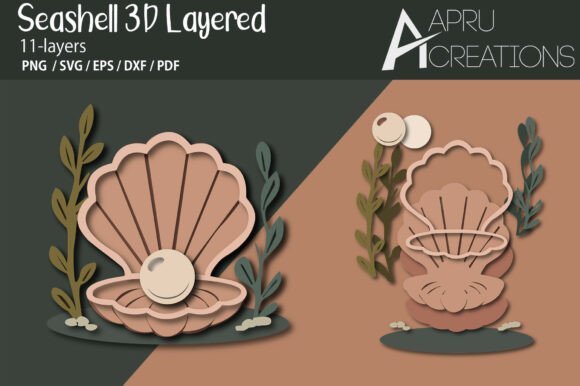
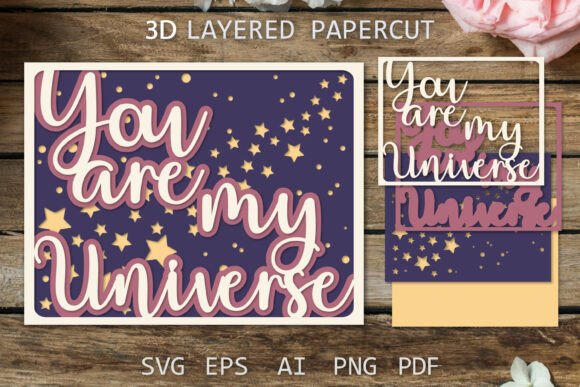
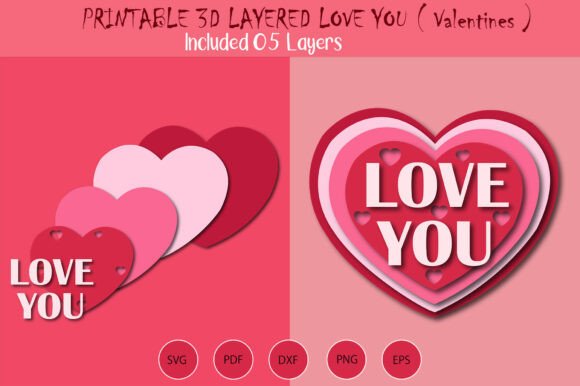
The first thing that strikes you about this 3D SVG is its structural integrity. In the world of machine embroidery, "3D" often implies heavy foam backing and dense satin columns, but here it refers to the layered visual depth achieved through smart vector stacking. For a Wedding themed product, this is crucial. You want elegance, not bulk. The layout feels balanced, avoiding the common pitfall of overcrowding the center with details that simply cannot hold up under the needle. It creates a mood of refined celebration, suitable for high-end personalized gifts rather than cheap novelty items.
Real-World Application: The Bridal Tote Test
To truly evaluate a design, you must take it out of the digital realm and into the workshop. My test case was a custom bridal party tote bag. These are staple items for any Etsy seller or boutique owner during wedding season. I used a medium-weight canvas, which is forgiving but unforgiving of poor density management.
The Wedding Invitation SVG performed admirably here. Because the design relies on clean lines and well-spaced elements, it did not pull the fabric excessively. When working on a tote bag design, you need clarity from a distance. This design delivers that. The visual personality is open and airy, which translates beautifully to larger hoops. If you are creating custom apparel like sweatshirts for a bachelorette party, this same logic applies. The design sits flat against the fleece without creating a stiff, cardboard-like patch that feels uncomfortable to wear.
Versatility Across Product Lines
One of the strongest selling points of this file set is its adaptability. While my primary test was on canvas, I also ran it on a cotton twill cap and a soft jersey baby onesie. This is where understanding your embroidery file types becomes critical. Since you receive SVG, EPS, DFX, and PDF formats, you have the flexibility to adjust the scale before converting it into your machine’s native format.
For baby embroidery, I scaled the design down significantly. The key here is checking the stitch density. On stretchy fabrics, a dense fill stitch can cause severe puckering. I found that by treating the finer elements as running stitch outlines rather than filled areas, the design remained delicate and professional. It worked perfectly for a nursery decor piece, adding a touch of sophistication without overwhelming the small garment.
If you are an appliqué design enthusiast, the vector nature of the SVG allows you to easily isolate shapes to create cut-files for fabric layers. This transforms the project from a standard stitch-out to a textured, mixed-media handmade product. This versatility is gold for small shop product lines where you need to maximize the utility of each design asset you purchase.
Navigating Technical Challenges
Let us be realistic: no design is perfect for every scenario. There are specific situations where you need to exercise caution with this Wedding Invitation SVG. First, consider the hoop size. If you are working with a 4x4 inch hoop, you will likely need to crop or significantly simplify the design. The intricate details that look stunning in a 5x7 or 6x10 hoop can become lost or merge together in smaller spaces.
Secondly, pay attention to thread colors and fabric texture. On dark fabrics, light threads can highlight every minor tension issue. I recommend testing the design on scrap fabric first, specifically using the same stabilizer you plan to use for the final finished product. A cut-away stabilizer is usually best for garments that will be washed frequently, while a tear-away might suffice for decorative pillows that see less wear.
Also, be wary of curved surfaces like caps. While the design is elegant, its width may require careful positioning to avoid distortion around the seam of a baseball cap. Always check the alignment in your digitizing software before hitting start. If the design includes tiny lettering, verify that your machine can handle the resolution. Tiny serifs can easily turn into blobs if the needle bar is not perfectly timed or if the thread quality is poor.
Enhancing Brand Value and Customer Trust
Why does this matter for your business? Because consistency builds trust. When a customer orders a personalized gift, they are buying into your brand’s promise of quality. A sloppy stitch-out damages that reputation. A clean, well-executed embroidery project using a reliable design like this reinforces your professionalism.
Using a high-quality digital embroidery file allows you to create compelling printable mockup images for your online store. Since the vectors are clean, your digital previews will look sharp, increasing buyer engagement. Whether you are selling holiday embroidery items or year-round commercial embroidery services, the underlying quality of the design dictates the perceived value of the item.
Practical Notes for the Designer
Before you commit to a large production run, keep these practical tips in mind:
- Test on Scrap: Never skip the test stitch. Use the same fabric and stabilizer combination you intend to use for the client order.
- Check Contrast: View your design in black and white on your screen. If the details disappear in monochrome, they will likely get lost in the stitching too.
- Verify Licensing: The product description notes this is a digital download with no physical item sent. Ensure you understand the license terms regarding commercial embroidery sales. Most designers allow finished goods sales, but reselling the digital file itself is typically prohibited.
- Extract Carefully: Remember that the files come in a ZIP archive. Use reliable software like WinZIP or WinRAR to extract them to ensure no data corruption occurs, which can ruin an embroidery file.
- Adjust Density: If you are stitching on thin fabric, consider reducing the density in your digitizing software to prevent perforation.
In conclusion, the Wedding Invitation SVG is a solid addition to any designer’s library. It is not just a pretty picture; it is a functional tool that, when used with technical awareness, can elevate your craft business offerings. It bridges the gap between digital precision and tactile beauty, making it ideal for sweatshirt embroidery, embroidered patches, and high-end home decor. Treat it with the respect it deserves, test it thoroughly, and it will serve your creative entrepreneurship well.